
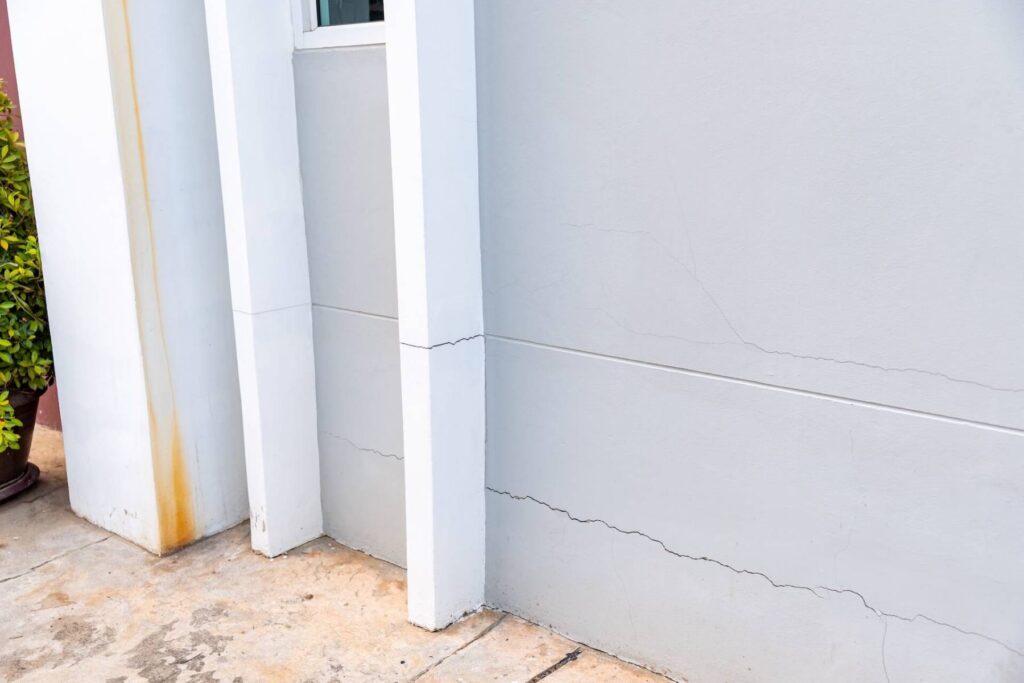
A Sweetwater homeowner called us last year about a thin crack running along her kitchen wall, just above the baseboard. She had noticed it a few months earlier, painted over it, and moved on with her life. By the time we arrived, the crack had widened enough to slip a fingernail into, and a door down the hall no longer latched without being lifted first. This story is not unusual in West Texas, and it is exactly why foundation problems here deserve more attention than most homeowners give them, since untreated foundation problems rarely stay small for long.
Why West Texas Soil Works Against Your Foundation
The ground beneath much of Abilene and Sweetwater contains a heavy concentration of expansive clay. This soil swells dramatically when it absorbs moisture and shrinks just as dramatically when it dries out, and that cycle repeats every year as the seasons shift from wet spring storms to bone dry summer heat. Foundation problems in this region rarely come from a single dramatic event. Instead, they build slowly, one swell and shrink cycle at a time, until a slab that once sat level starts to tilt or crack.
How A Small Crack Becomes A Big Repair
In the Sweetwater case, the hairline crack was the earliest visible sign that one section of the foundation was settling faster than the rest. Because the homeowner had no baseline to compare it against, there was no way to know how quickly it was progressing. By the time cracks reach a quarter inch or wider, or when doors and windows stop closing properly, the underlying soil movement has usually been active for a long time. What could have been managed with proper drainage and moisture control a year earlier had turned into a repair involving pier installation, which is where that fourteen thousand dollar estimate came from.
What A Home Inspection Actually Catches
During a Residential Inspection, our team documents cracking patterns, measures floor levels where needed, and looks closely at drainage, grading, and gutter placement around the structure, since all of these factors influence how much moisture reaches the soil under a slab. Early foundation problems often show up first as small clues: a sticking door, a slightly uneven floor, or hairline cracks near corners and openings. Catching these signs early gives a homeowner options that disappear once the movement becomes severe.
Prevention Is Cheaper Than Repair
The good news is that many foundation problems in West Texas are manageable with consistent moisture control around the home. Extension research on landscape watering in clay heavy soils recommends slow, even watering close to the structure to reduce the wide swings between soaked and bone dry conditions that drive foundation movement. Homeowners who maintain consistent soil moisture near their slab, keep gutters clear, and grade soil away from the foundation tend to see far fewer serious foundation problems over time than those who let nature run its course.
What We Recommend For Every West Texas Homeowner
If your home is more than a few years old and you have never had a professional look at foundation performance, do not wait for a door to stop closing. An annual check, especially heading into the driest part of summer, gives you a record to compare against if something does start to shift. For homes already showing cracks, an inspection provides an objective, written opinion you can bring to a structural engineer or foundation repair company with confidence.
Do not let a small crack become someone else’s fourteen thousand dollar story. Schedule Your Inspection and get a clear picture of what is happening beneath your West Texas home.
Frequently Asked Questions
How do I know if a crack is serious? Hairline cracks under a sixteenth of an inch are common and often cosmetic, but cracks that widen over time, run diagonally from corners, or appear alongside sticking doors and windows are worth a professional look.
Can foundation problems really be prevented? Not entirely, since expansive clay soil naturally swells and shrinks with moisture, but consistent watering near the foundation and good drainage significantly reduce the severity of movement over time.
How often should a home be checked for foundation problems? An annual look is reasonable for most homes, with more frequent attention recommended after a home shows early signs like new cracks or doors that stick.
Does a standard home inspection include a professional engineering assessment? No. A Residential Inspection documents visible signs and offers a professional opinion on performance, but significant movement typically warrants a referral to a licensed structural engineer for further evaluation.
ProEdge Property Inspections proudly serves Abilene, Sweetwater, and the surrounding West Texas area with thorough Residential and Pre-Listing Inspections.